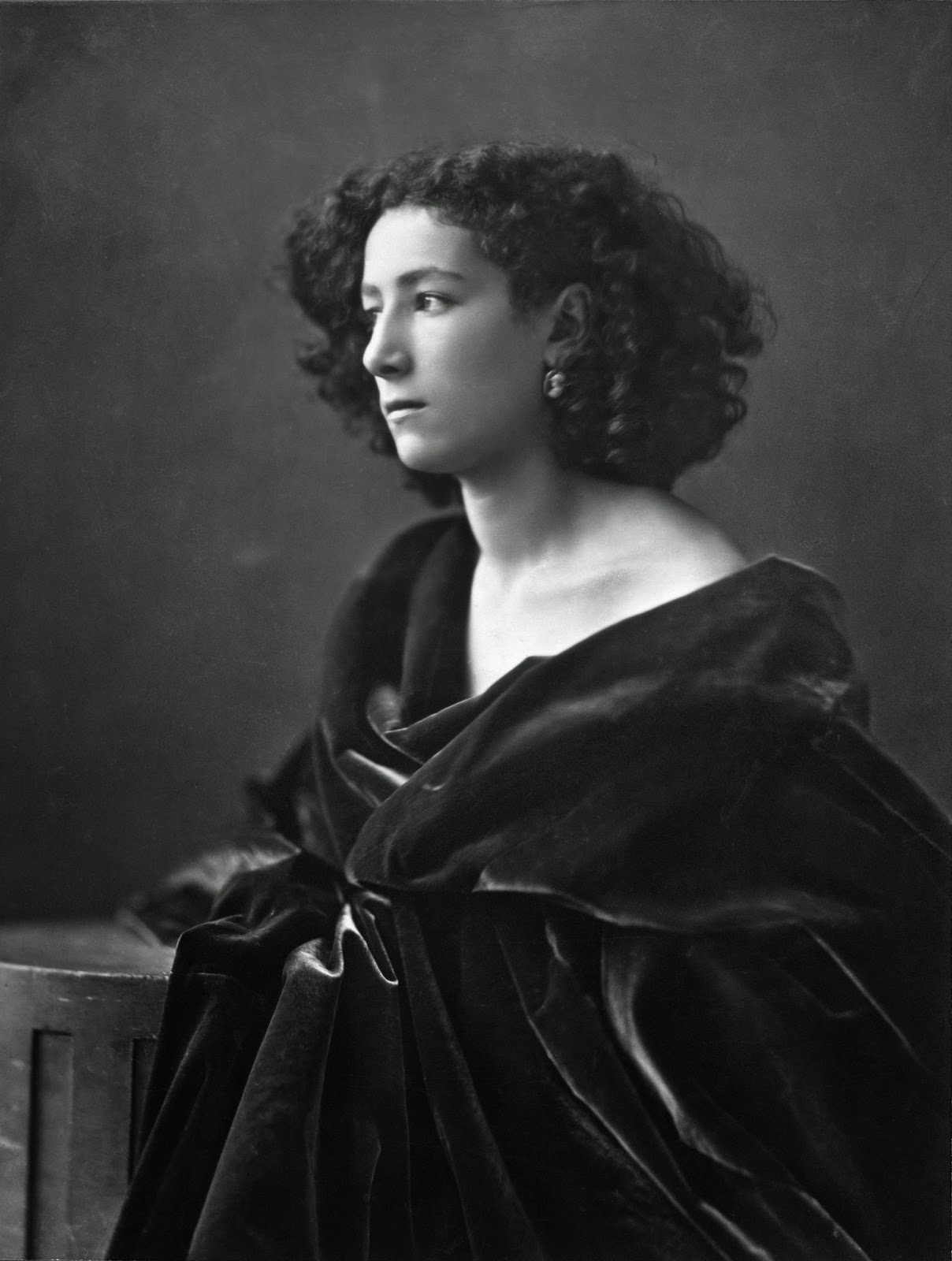
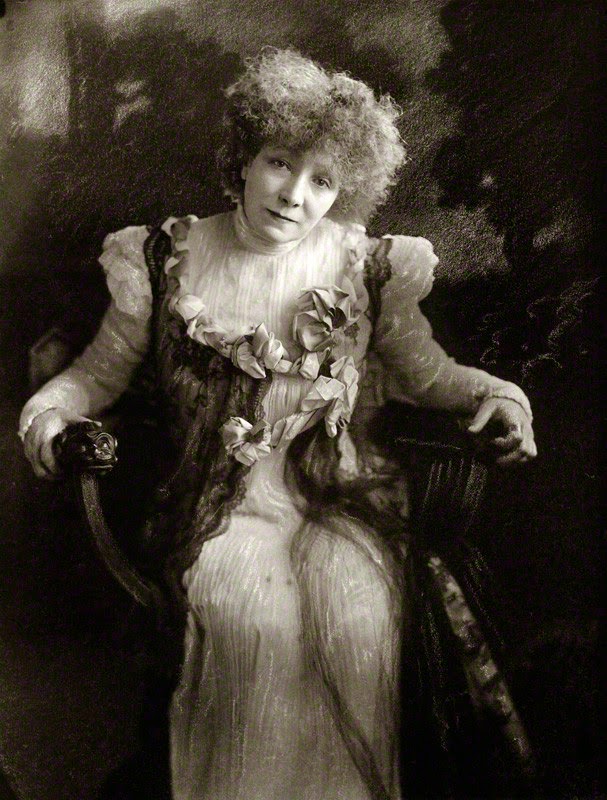
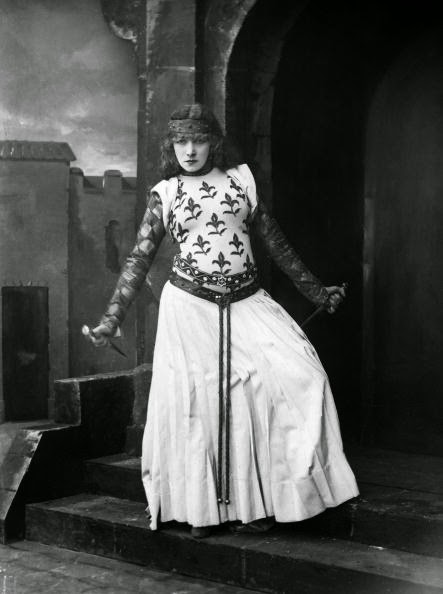
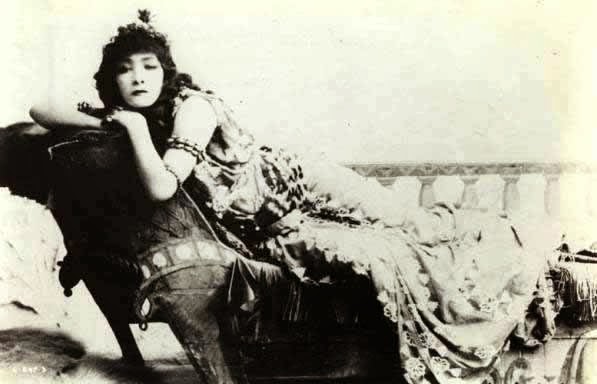
Sarah Bernhardt had an affair with a Belgian nobleman, Charles-Joseph Eugène Henri Georges Lamoral de Ligne (1837–1914), son of Eugène, 8th Prince of Ligne, with whom she bore her only child, Maurice Bernhardt (1864–1928). Maurice did not become an actor but worked for most of his life as a manager and agent for various theaters and performers, frequently managing his mother's career in her later years, but rarely with great success. Maurice and his family were usually financially dependent, in full or in part, on his mother until her death. Maurice married a Polish princess, Maria Jablonowska (see Jablonowski), with whom he had two daughters, Simone (who married Edgar Gross, son of a wealthy Philadelphia soap manufacturer) and Lysiana (who married the playwright Louis Verneuil ).
Bernhardt's close friends included several artists, most notably Gustave Doré and Georges Clairin, and actors Mounet-Sully and Lou Tellegen, as well as the famous French author Victor Hugo. Alphonse Mucha based several of his iconic Art Nouveau works on her. Her friendship with Louise Abbéma (1853–1927), a French impressionist painter, some nine years her junior, was so close and passionate that the two women were rumored to be lovers. In 1990, a painting by Abbéma, depicting the two on a boat ride on the lake in the bois de Boulogne, was donated to the Comédie-Française. The accompanying letter stated that the painting was "Peint par Louise Abbéma, le jour anniversaire de leur liaison amoureuse" (loosely translated: "Painted by Louise Abbéma on the anniversary of their love affair.")
In 1905, while performing in Victorien Sardou's La Tosca in Teatro Lírico do Rio de Janeiro, Bernhardt injured her right knee when jumping off the parapet in the final scene. The leg never healed properly. By 1915, gangrene set in and her entire right leg was amputated; she was required to use a wheelchair for several months. Bernhardt reportedly refused a $10,000 offer by a showman to display her amputated leg as a medical curiosity. (While P.T. Barnum is usually cited as the one to have made the offer, he had been dead since 1891.)
She continued her career, sometimes without using a wooden prosthetic limb, which she did not like. She carried out a successful tour of America in 1915, and on returning to France she played in her own productions almost continuously until her death. Later successes included Daniel (1920), La Gloire (1921), and Régine Armand (1922). According to Arthur Croxton, the manager of London's Coliseum, the amputation was not apparent during her performances, which were done with the use of an artificial limb. Her physical condition may have limited her mobility on the stage, but the charm of her voice, which had altered little with age, ensured her triumphs.
Sarah Bernhardt died from uremia following kidney failure in 1923. Newspaper reports stated she died "peacefully, without suffering, in the arms of her son." She is believed to have been 78 years old. She was the Meryl Streep of her generation even before Meryl Streep was even a thought...
Showing posts with label Sarah Bernhardt. Show all posts
Monday, July 27, 2015
Monday, July 20, 2015
SARAH BERNHARDT: THE RISE TO FAME
Sarah Bernhardt's stage career started in 1862 while she was a student at the Comédie-Française, France's most prestigious theater. She decided to leave France, and soon ended up in Belgium, where she became the mistress of Henri, Prince de Ligne, and gave birth to their son, Maurice, in 1864. After Maurice's birth, the Prince proposed marriage, but his family forbade it and persuaded Bernhardt to refuse and end their relationship.
After being expelled from the Comédie Française, she resumed the life of courtesan to which her mother had introduced her at a young age, and made considerable money during that period (1862–65). During this time she acquired her famous coffin, in which she often slept in lieu of a bed – claiming that doing so helped her understand her many tragic roles.
Bernhardt then reverted to the theater, securing a contract at the Théâtre de L’Odéon where she began performing in 1866. Her most famous performance there was her travesty performance as the Florentine minstrel in François Coppé's Le Passant (January 1869). With the outbreak of the Franco-Prussian war performances were stopped and Bernhardt converted the theatre into a makeshift hospital where she took care of the soldiers wounded on the battlefield. She made her fame on the stages of Europe in the 1870s and was soon in demand all over Europe and in New York. In between tours Bernhardt took over the lease of the Théâtre de la Renaissance, which she ran as producer-director-star from 1893 to 1899.
In 1899 Bernhardt took over the former Théâtre des Nations on the Place du Châtelet, renaming it the Théâtre Sarah-Bernhardt and opening on 21 January in one of her most admired parts, the title role in Victorien Sardou's La Tosca. This was followed by revivals of Racine's Phèdre (24 February), Octave Feuillet's Dalila (8 March), Gaston de Wailly's Patron Bénic (14 March), Edmond Rostand's La Samaritaine (25 March), and Alexandre Dumas fils's La Dame aux Camélias on 9 April. On 20 May, she premiered her most controversial part, the title role in Shakespeare's Hamlet, in a prose adaptation which she had commissioned from Eugène Morand and Marcel Schwob. The play was greeted with rave reviews despite its running time of four hours. She developed a reputation as a serious dramatic actress, earning the title "The Divine Sarah"; arguably, she was the most famous actress of the 19th century.
Bernhardt also participated in scandalous productions such as John Wesley De Kay's "Judas." It performed in New York’s Globe Theatre for only one night in December 1910 before it was banned there, as well as in Boston and Philadelphia. In New York’s art scene of 1910 the story line of the play was nothing short of scandalous. Mary Magdalene, who at first became a lover of Pontius Pilate, then of Judas Iscariot, got involved with Jesus. Judas, after realizing that Mary Magdalene had given herself to Jesus, decided to betray his friend to the Romans. To top the provocation of New York’s theater lovers, Judas was played by the voluptuous Sarah Bernhardt.
In Paris, Bernhardt continued to direct the Théâtre Sarah-Bernhardt until her death, when her son Maurice took over. After his death in 1928, the theatre retained the name Sarah Bernhardt until the Occupation by the Germans in World War II, when the name was changed to Théâtre de la Cité because of Bernhardt's Jewish ancestry...
After being expelled from the Comédie Française, she resumed the life of courtesan to which her mother had introduced her at a young age, and made considerable money during that period (1862–65). During this time she acquired her famous coffin, in which she often slept in lieu of a bed – claiming that doing so helped her understand her many tragic roles.
Bernhardt then reverted to the theater, securing a contract at the Théâtre de L’Odéon where she began performing in 1866. Her most famous performance there was her travesty performance as the Florentine minstrel in François Coppé's Le Passant (January 1869). With the outbreak of the Franco-Prussian war performances were stopped and Bernhardt converted the theatre into a makeshift hospital where she took care of the soldiers wounded on the battlefield. She made her fame on the stages of Europe in the 1870s and was soon in demand all over Europe and in New York. In between tours Bernhardt took over the lease of the Théâtre de la Renaissance, which she ran as producer-director-star from 1893 to 1899.
In 1899 Bernhardt took over the former Théâtre des Nations on the Place du Châtelet, renaming it the Théâtre Sarah-Bernhardt and opening on 21 January in one of her most admired parts, the title role in Victorien Sardou's La Tosca. This was followed by revivals of Racine's Phèdre (24 February), Octave Feuillet's Dalila (8 March), Gaston de Wailly's Patron Bénic (14 March), Edmond Rostand's La Samaritaine (25 March), and Alexandre Dumas fils's La Dame aux Camélias on 9 April. On 20 May, she premiered her most controversial part, the title role in Shakespeare's Hamlet, in a prose adaptation which she had commissioned from Eugène Morand and Marcel Schwob. The play was greeted with rave reviews despite its running time of four hours. She developed a reputation as a serious dramatic actress, earning the title "The Divine Sarah"; arguably, she was the most famous actress of the 19th century.
Bernhardt also participated in scandalous productions such as John Wesley De Kay's "Judas." It performed in New York’s Globe Theatre for only one night in December 1910 before it was banned there, as well as in Boston and Philadelphia. In New York’s art scene of 1910 the story line of the play was nothing short of scandalous. Mary Magdalene, who at first became a lover of Pontius Pilate, then of Judas Iscariot, got involved with Jesus. Judas, after realizing that Mary Magdalene had given herself to Jesus, decided to betray his friend to the Romans. To top the provocation of New York’s theater lovers, Judas was played by the voluptuous Sarah Bernhardt.
In Paris, Bernhardt continued to direct the Théâtre Sarah-Bernhardt until her death, when her son Maurice took over. After his death in 1928, the theatre retained the name Sarah Bernhardt until the Occupation by the Germans in World War II, when the name was changed to Théâtre de la Cité because of Bernhardt's Jewish ancestry...
Monday, July 13, 2015
SARAH BERNHARDT: THE EARLY YEARS
For some reason the name Sarah Bernhardt has been sticking in my head. She was one of the first "superstars" of acting. I have never seen an early movie she made, but I did a little research to learn more about her.
Sarah Bernhardt was a French stage and early film actress, and was referred to as "the most famous actress the world has ever known." Bernhardt made her fame on the stages of France in the 1870s, at the beginning of the Belle Epoque period, and was soon in demand in Europe and the Americas. She developed a reputation as a serious dramatic actress, earning the nickname "The Divine Sarah."
Bernhardt was born on October 22, 1844 in Paris as Rosine Bernardt, the daughter of Julie Bernardt (1821, Amsterdam – 1876, Paris) and an unknown father. Julie was one of six children of an itinerant Jewish spectacle merchant, "vision specialist" and petty criminal, Moritz Baruch Bernardt, and Sara Hirsch (later known as Janetta Hartog; c. 1797–1829). Five weeks after his first wife's death in 1829, Julie's father married Sara Kinsbergen (1809–1878). He had abandoned his five daughters and one son with their stepmother by 1835. Julie, together with her younger sister Rosine, left for Paris, where she made a living as a courtesan and was known by the name "Youle." Julie had five daughters, including a twin who died in infancy in 1843.
Sarah Bernhardt changed her first name and added an "h" to her surname. Her birth records were lost in a fire in 1871. To prove French citizenship—necessary for Légion d'honneur eligibility—she created false birth records, in which she was the daughter of "Judith van Hard" and "Édouard Bernardt" from Le Havre, in later stories either a law student, accountant, naval cadet or naval officer.
When Sarah was young her mother sent her to Grandchamp, an Augustine convent school near Versailles. In 1860 she began attending the Conservatoire de Musique at Déclamation in Paris and eventually became a student at the Comédie Française where she would have her acting debut (11 August 1862) in the title role of Racine's Iphigénie to lackluster reviews. Her time there was short lived; she was asked to resign after slapping another actress across the face for shoving her younger sister during a birthday celebration for Molière.
Much of the uncertainty about Bernhardt's life arises because of her tendency to exaggerate and distort. Alexandre Dumas, fils, described her as a notorious liar...
Sarah Bernhardt was a French stage and early film actress, and was referred to as "the most famous actress the world has ever known." Bernhardt made her fame on the stages of France in the 1870s, at the beginning of the Belle Epoque period, and was soon in demand in Europe and the Americas. She developed a reputation as a serious dramatic actress, earning the nickname "The Divine Sarah."
Bernhardt was born on October 22, 1844 in Paris as Rosine Bernardt, the daughter of Julie Bernardt (1821, Amsterdam – 1876, Paris) and an unknown father. Julie was one of six children of an itinerant Jewish spectacle merchant, "vision specialist" and petty criminal, Moritz Baruch Bernardt, and Sara Hirsch (later known as Janetta Hartog; c. 1797–1829). Five weeks after his first wife's death in 1829, Julie's father married Sara Kinsbergen (1809–1878). He had abandoned his five daughters and one son with their stepmother by 1835. Julie, together with her younger sister Rosine, left for Paris, where she made a living as a courtesan and was known by the name "Youle." Julie had five daughters, including a twin who died in infancy in 1843.
Sarah Bernhardt changed her first name and added an "h" to her surname. Her birth records were lost in a fire in 1871. To prove French citizenship—necessary for Légion d'honneur eligibility—she created false birth records, in which she was the daughter of "Judith van Hard" and "Édouard Bernardt" from Le Havre, in later stories either a law student, accountant, naval cadet or naval officer.
When Sarah was young her mother sent her to Grandchamp, an Augustine convent school near Versailles. In 1860 she began attending the Conservatoire de Musique at Déclamation in Paris and eventually became a student at the Comédie Française where she would have her acting debut (11 August 1862) in the title role of Racine's Iphigénie to lackluster reviews. Her time there was short lived; she was asked to resign after slapping another actress across the face for shoving her younger sister during a birthday celebration for Molière.
Much of the uncertainty about Bernhardt's life arises because of her tendency to exaggerate and distort. Alexandre Dumas, fils, described her as a notorious liar...
Labels:
actress,
early years,
Sarah Bernhardt,
silent
Monday, July 11, 2011
THIS WEEK IN FILM HISTORY
Here are some interesting dates that happened in film history:
July 14, 1908: Edison Company actor D.W. Griffith makes his directing debut with The Adventures of Dollie, the first of over 500 works to come.
July 12, 1912: Adolph Zukor releases a French film, Queen Elizabeth, starring stage star Sarah Bernhardt, in America, giving a new respectability to motion pictures.
July 15, 1932: The Disney Studio releases the first cartoon using the three-color Technicolor process, a Silly Symphony called Flowers and Trees.
July 14, 1933: E.C. Segar's comic strip creation Popeye the Sailor is set afloat in his first film appearance, in Max Fleischer's cartoon short.
July 14, 1937: After her memorable debut appearance in Warners' They Won't Forget, 17-year-old Lana Turner will earn the nickname "the sweater girl."
July 14, 1969: Dennis Hopper and Peter Fonda's low-budget "road" picture, Easy Rider, debuts, and will make a star of Jack Nicholson and spawn a host of imitators.
July 15, 1988: Bruce Willis shoots his way into the pantheon of Hollywood action heroes with the debut of Die Hard.
July 10, 1989: The voice of nearly every major Warner Bros. cartoon character, as well as Heathcliff the cat, Mel Blanc, dies at 80.
July 11, 1989: The portrayer of nearly every major Shakespearean character, as well as Heathcliff in Wuthering Heights, Laurence Olivier, dies at 82.
July 15, 1998: Cameron Diaz sports a unique hair-do in the year's most unlikely hit, the "gross-out" comedy There's Something About Mary.
July 16, 1999: Amid cries of "Is it real?," the $60,000 pseudo-documentary The Blair Witch Project opens to packed houses and will become the top independent film of all time.
SOURCE
July 14, 1908: Edison Company actor D.W. Griffith makes his directing debut with The Adventures of Dollie, the first of over 500 works to come.
July 12, 1912: Adolph Zukor releases a French film, Queen Elizabeth, starring stage star Sarah Bernhardt, in America, giving a new respectability to motion pictures.
July 15, 1932: The Disney Studio releases the first cartoon using the three-color Technicolor process, a Silly Symphony called Flowers and Trees.
July 14, 1933: E.C. Segar's comic strip creation Popeye the Sailor is set afloat in his first film appearance, in Max Fleischer's cartoon short.
July 14, 1937: After her memorable debut appearance in Warners' They Won't Forget, 17-year-old Lana Turner will earn the nickname "the sweater girl."
July 14, 1969: Dennis Hopper and Peter Fonda's low-budget "road" picture, Easy Rider, debuts, and will make a star of Jack Nicholson and spawn a host of imitators.
July 15, 1988: Bruce Willis shoots his way into the pantheon of Hollywood action heroes with the debut of Die Hard.
July 10, 1989: The voice of nearly every major Warner Bros. cartoon character, as well as Heathcliff the cat, Mel Blanc, dies at 80.
July 11, 1989: The portrayer of nearly every major Shakespearean character, as well as Heathcliff in Wuthering Heights, Laurence Olivier, dies at 82.
July 15, 1998: Cameron Diaz sports a unique hair-do in the year's most unlikely hit, the "gross-out" comedy There's Something About Mary.
July 16, 1999: Amid cries of "Is it real?," the $60,000 pseudo-documentary The Blair Witch Project opens to packed houses and will become the top independent film of all time.
SOURCE
Labels:
film history,
Lana Turner,
Laurence Olivier,
Sarah Bernhardt
Subscribe to:
Posts (Atom)


.jpg)